Build Your Everyday Uniform: Zach Bryan Merch, Parke Essentials, and the Watch That Ties It All Together

Why a Personal Uniform Beats a Closet Full of Clothes
The whole “personal uniform” idea isn’t new, but it keeps coming back because it just works. You pick three or four pieces that play well together, and getting dressed stops being a daily decision. I switched to this approach about two years ago after my closet hit the point where I owned six black tees and still felt like I had nothing to wear. Sound familiar? Most guys I know are in the same boat. The trick is picking the right anchor pieces. A graphic tee tied to a band you actually listen to, a heavy mockneck sweatshirt for cooler mornings, denim that fits, and a watch with some presence. That’s it. Once you’ve got that, everything else is a remix. Now, what I love about this kind of capsule is that it leaves room for personality. A blank tee says nothing. A tour shirt from a record you wore out says plenty without you having to talk about it. The same goes for a watch with real history behind the design. So before we get into the specific pieces, here’s the rule I want you to keep in mind: every item earns its spot through actual wear, not how it looks on a hanger. If you wouldn’t reach for it three times a week, it doesn’t belong in the rotation. That’s the bar.
The Graphic Tee That Actually Means Something
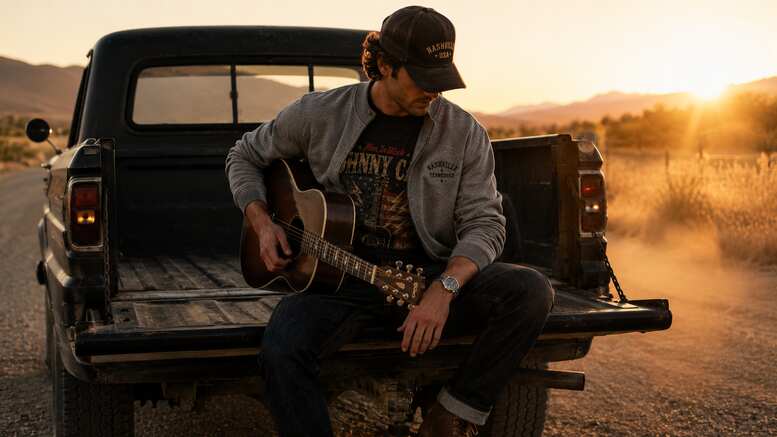
A tee with a band name on it is one of the easiest ways to add a story to an outfit, but only if you actually care about the band. Otherwise, it reads as costume, and people clock that fast. For my rotation, I lean on country and folk-rock pieces because that’s what’s on my drive playlist anyway. The American Heartbreak black tee has been a daily driver for me since 2024 — heavy cotton, prints that haven’t cracked, and the kind of relaxed cut that works tucked or untucked. If you’re shopping the category for the first time, the Zach Bryan tour merch lineup is a solid place to start because the prints tie back to specific albums and tour dates instead of generic logo placement. That matters for two reasons. First, the design feels intentional, not stamped. Second, when somebody recognizes the album art, you’ve got a quick conversation starter without saying a word. Honest limitation though: the heavier-weight tees can feel warm if you’re somewhere humid year-round. I’m in Texas half the year, and I rotate the summer tan and grey versions because the black holds heat. So check the colorway before you buy if your climate runs hot. Beyond that, pair a graphic tee with raw or mid-wash denim and clean white sneakers, and you’ve got something that works for grocery runs, casual dinners, or low-stakes Friday office days. The tee is the personality. Everything else should be quiet around it.
The Mockneck Sweatshirt and Why It Earned Its Hype
Now we get to the layer piece that did genuinely change a lot of guys’ fall wardrobes — and I mean that even though I’m usually skeptical of social-media style trends. The mockneck sweatshirt sits in a sweet spot. It’s heavier than a tee but doesn’t have the bulk of a full hoodie, and the high collar gives you warmth without forcing you into a scarf. Here’s the numbered shortlist I’d give a friend asking where to start:
- Pick a mid-weight cotton fleece (around 380–450 GSM) — heavier than that and it gets stiff.
- Go with a city or college-style graphic in muted tones first; loud colors limit how often you’ll wear it.
- Check the collar height — a true mockneck sits roughly two inches tall and stands up on its own.
- Confirm the hem hits between your hip and the top of your back pocket. Anything longer looks sloppy.
- Wash it once before judging the fit. The good ones soften by 20% after the first wash.
I’ve been wearing a grey varsity mockneck almost daily since October, and the only piece that holds up better in my rotation is one I’ve owned for four years. The DTC brand Parke is the one most people credit with bringing the silhouette back, and the parke sweatshirt range covers the full spread from city graphics to plain varsity cuts. Pair it over a graphic tee, with the collar sitting just above the print, and you’ve got a layered look that takes 30 seconds to put together. My personal preference: stick to one graphic piece per outfit. If the tee has a print, the sweatshirt should be plain or vice versa. Too much going on up top kills the whole thing.
Denim and Bottoms: The Quiet Half of the Outfit
Here’s where most guys overthink it. Your bottoms shouldn’t be doing the talking — they should be supporting the top half. That means dark or mid-wash denim in a straight or slightly relaxed cut, plus one or two pairs of clean joggers or sweatpants for the days you’re not leaving the neighborhood. For denim, I rotate two pairs: a straight-leg in dark indigo for going out, and a relaxed mid-wash for everyday. Both are raw or selvedge, so the fade pattern develops with my actual wear, not somebody else’s. The fit detail that matters most is the leg opening. Anything under 15 inches at the hem looks dated now, and anything over 20 inches starts to drown your shoes. Aim for 16 to 18 inches, and you’ll look current for years. For sweatpants, the boxer-cut style with the elastic waist and tapered leg has taken over because it actually looks intentional, not like you gave up. Pair them with the mockneck, and you’ve got a complete look that reads “I tried, but not too hard.” That’s the sweet spot. One more thing — and this is from real experience, not theory — buy two pairs of the same jeans if you find a fit you love. They never restock the same cut a year later. Trust me. I’m still chasing a discontinued pair from 2022.
Outerwear: One Hoodie, One Jacket, Done
The mistake I see most often is guys collecting outerwear like Pokémon cards. You don’t need eight jackets. Here’s what actually covers 90% of weather scenarios, and what I keep on the hook by my door:
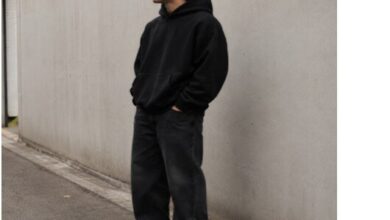
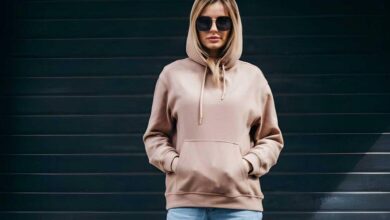
- One heavy pullover hoodie in a neutral color (black, charcoal, or oatmeal) — wear it under jackets or solo on transition-weather days.
- One zip-up hoodie in a contrasting tone — easier to layer over the pullover for very cold mornings.
- One unstructured chore coat or trucker jacket in waxed canvas or heavy cotton — covers everything from spring to mid-fall.
- One real winter shell in a technical fabric — only matters if you live somewhere that actually gets cold, otherwise skip it.
- One denim jacket, slightly oversized — the wildcard piece that works with the mockneck and the graphic tee.
The pullover hoodie is where the Zach Bryan hoodie category earns its place in my rotation, specifically the American Heartbreak black pullover. It’s heavyweight cotton, the print sits flat against the fabric without that crusty silkscreen feel, and it’s lived through two winters without pilling. That’s the test. Anything that doesn’t survive two seasons of regular wear gets cycled out, no exceptions. Outerwear is also the one category where I’d encourage you to spend more per piece if you can. You wear a jacket more often than almost anything else in your closet during the cold half of the year, so the cost-per-wear math actually works out fast. Cheap outerwear shows its age inside one season — pilling, broken zippers, and lining that bunches. Mid-tier is the floor.
The Watch That Anchors Everything
A watch is the one accessory that sits on you all day, every day, and shows up in every photo you take with your hands visible. That’s why it deserves real thought. The whole point of a watch in a uniform setup is that it adds presence to anything you’re wearing — a plain tee and jeans suddenly look deliberate when there’s a serious-looking timepiece on your wrist. For most guys, a Rolex-style design (Submariner, Datejust, or Day-Date) gives you the most versatile presence because the case shape and bracelet design work with both casual and dressy fits. Now, here’s the honest part: a real fake Rolex starts around $8,000 and goes up fast. Most people I know who wear them inherited one or saved for years. There’s no shame in either path. There’s also no shame in going the replica Rolex route as long as you’re honest with yourself about what you’re buying — it’s a watch that looks the part for a fraction of the price, not an investment piece. I’d recommend going with a super-clone tier (automatic movement, 904L steel case, sapphire crystal) rather than the bottom-shelf quartz versions because the weight on your wrist is what sells the look, and the lighter ones feel hollow within a week. Personal opinion drop: a Datejust on a Jubilee bracelet pairs better with a graphic tee and denim than any sports watch does. I know the Submariner is the default recommendation, but the Datejust does more work in an everyday wardrobe. Try both before you commit.
Footwear, Hats, and the Small Stuff That Finishes the Look
You’ve got the top, the bottom, the layer, and the watch. The last 10% is where most outfits either come together or fall apart, and footwear is the bigger half of that 10%. Two pairs of sneakers cover almost everything: one clean white leather pair (Common Projects, Stan Smiths, or the closest budget version you trust), and one chunkier off-white or grey suede pair for colder months. Add boots if you live somewhere with real winter. Skip the running shoes for daily wear unless you’re literally running. Hats are the other piece that pulls a fit together, especially with the mockneck-and-denim base. A trucker cap or a faded baseball cap with some real wear on it works for most days. Avoid anything with a stiff brim that still looks brand new — broken-in is the move. Sunglasses matter too, but the rule is simple: classic shapes only, and never something with a logo bigger than your fingernail. Belts should match your shoes; watches don’t need to. Socks should be either solid white, solid black, or a single muted color, never patterned with a casual outfit. I know that sounds restrictive, but the whole point of a uniform is removing decisions. Once you stop debating these small choices every morning, you free up your brain for things that actually matter, like deciding what to make for breakfast or whether to skip the gym (don’t skip the gym).
Putting It All Together: A Week of Real Outfits
Here’s how a real week looks when this whole system is running. Monday: graphic tee, dark denim, white sneakers, watch. Tuesday: same tee under the mockneck, swapped sneakers for boots because the temperature dropped. Wednesday: zip-up hoodie over a plain white tee, joggers, no watch because I’m at the gym after work. Thursday: mockneck with the second graphic tee, mid-wash denim, suede sneakers, and a watch. Friday: pullover hoodie, dark joggers, white sneakers, watch. Saturday: full grocery store armor — denim jacket over a tee, jeans, boots, hat, watch. Sunday: whatever’s clean. The point isn’t that you’re wearing the same five pieces seven days in a row. It’s that you’ve got a tight enough rotation that nothing feels stale, and you don’t waste time staring at a closet wondering what works with what. Cost-per-wear drops through the floor when you stop owning clothes that just sit there. My current closet is about 40% smaller than it was two years ago, but I genuinely enjoy more of what I own. That’s the trade I’d make every time. The pieces I’ve mentioned throughout this guide aren’t the only options — there are good brands in every category — but they’re the ones that have proven themselves on my back through a couple of full seasons. Buy fewer things. Wear them more. Replace them when they actually wear out, not when the algorithm tells you they’re outdated.
Final Words
The uniform approach isn’t about restriction. It’s about removing the noise so the pieces you actually love get the wear they deserve. Pick a tee that means something to you. Add a sweatshirt that earns its weight. Get denim that fits, a watch with presence, and outerwear that survives more than one winter. Everything else is a remix. You’ll spend less, look more put-together, and stop hating your closet. That’s the whole pitch.
FAQs
Q: How many pieces do I actually need for a working uniform?
Around 15–20 individual items total — three or four tees, two sweatshirts, two pairs of jeans, one or two joggers, one hoodie, one jacket, two sneakers, and a watch. That’s enough variety for two weeks without repeats.
Q: Can I mix tour merch with higher-end streetwear?
Yes, and it usually looks better than either piece on its own. The contrast between a graphic tee and a clean mockneck or premium denim is what makes the outfit interesting.
Q: Do I need an expensive watch for this to work?
No. A well-made replica or a $200 microbrand watch reads almost identically to a Rolex in everyday situations. Spend more if the watch matters to you personally, not because you think people will check.
Q: How do I keep heavy cotton pieces from shrinking?
Wash cold, hang dry, or tumble dry low. Heavy fleece and tour-print tees both shrink noticeably in hot dryers. One hot cycle can cost you a half-size easy.
Q: What’s the biggest mistake guys make when building a capsule wardrobe?
Buying too many pieces at once. Start with five items you’ll actually wear weekly, live with them for a month, then add. Closets built in a single weekend always end up half-unused.
Read More: Imginn