Why Most Style Advice Fails Men Who Have Lives
Most menswear advice online comes from one of two camps. The first camp writes for guys who work in fashion or media people whose entire job involves dressing well and being seen. The second camp writes for guys who barely care, offering basic “wear a fitted shirt” tips that don’t actually move the needle. Almost nobody writes for the massive middle guys with real jobs, real commutes, real meetings, real weekends with kids or dogs or hangovers, who want to look put-together without making it a full-time hobby. That gap is where most men actually live. You probably work 40 to 60 hours a week. You have maybe three hours on Saturday for shopping if you’re lucky. So you don’t want to read 4,000-word essays about denim weights or learn to identify Japanese selvedge from twenty feet. You want to know what pieces to put together so you don’t have to think about it on a Tuesday morning. Look, I’ve spent nine years dressing exactly these guys. Finance professionals, doctors, engineers, plumbers, small business owners, writers. The common thread is they all have lives, and clothes need to serve those lives rather than dominate them. So this article delivers something different from what’s usually published. No theory, no GSM lectures, no buying philosophy. Just specific outfit formulas with named pieces that work for actual situations real men face every week. Pick the ones that fit your life and copy them. That’s the entire pitch.
Formula One: The Weekend Brunch That Doesn’t Look Like You Tried
Saturday late morning. You’re meeting friends, maybe your partner’s friends, possibly someone’s parents you barely know. The trap most guys fall into is overdressing because they’re nervous, ending up in a button-up that screams “I had a meeting earlier.” The other trap is underdressing into pure athleisure that reads as “I genuinely don’t care about this brunch.” So the sweet spot lives in deliberate casual pieces that show you noticed clothing exists without making it the focus of the morning. Here’s the exact formula I’ve recommended dozens of times. Start with a heavyweight crew-neck tee in cream or off-white as the base layer. Add a relaxed-fit overshirt or unstructured jacket in a slightly contrasting tone like washed brown or forest green. Pair with straight-leg dark indigo denim or a pair of well-cut chinos in stone. Finish with clean low-top leather sneakers in white, off-white, or beige. The whole outfit takes maybe seven minutes to assemble and reads as effortlessly intentional. A clean tee from a label like geedup works particularly well as the base layer here because the cuts hold their shape through the layering without bunching up under the overshirt. Now, here’s the small detail most guys miss with this formula. Roll your sleeves once if you’re wearing the overshirt open. Not twice, not three times, just one clean roll. That single detail communicates that you understood what you were putting on rather than just throwing on the first three items in your closet. The same goes for the denim hem. A small single cuff at the ankle, exactly one fold, balances the proportions and pulls the whole look together visually. Skip the cuff entirely and the outfit reads slightly unfinished.
Formula Two: The Tuesday Morning Coffee Run You Won’t Get Photographed For
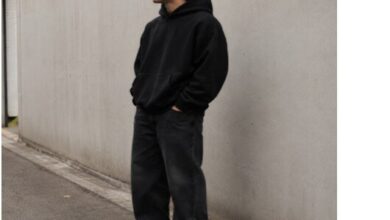
Look, not every day requires a full styled outfit. Some mornings you need to grab coffee, drop something off, run errands, and the goal is looking decent without making it complicated. The pieces still matter though, because someone might see you, and even if they don’t, you’ll feel better about yourself when you catch your reflection in the cafe window. Here’s the realistic formula for these mornings. Pull on a heavyweight pullover hoodie in black, charcoal, or deep navy as the centerpiece. Layer it over a plain white tee that peeks out at the collar by about an inch. Pair with grey or charcoal sweatpants proper tapered ones, not gym sweats with elastic ankles. Add the same clean white or beige low-top sneakers as before. The whole outfit costs you maybe three minutes of decision-making and looks deliberately casual rather than accidentally sloppy. Two specific details elevate this formula from looking like pajamas to looking intentional. First, the proportions of the hoodie. It should hit at or just below the belt line of the sweatpants not riding up exposing skin, not hanging halfway to your knees. Second, the sneakers must actually be clean. White leather sneakers stained grey from neglect kill this entire outfit instantly. So either keep one pair specifically for these errand outfits or learn to wipe them down weekly. One observation from years of seeing how men actually live in their clothes this exact outfit becomes the most-photographed combination in your camera roll within months of adopting it. Partners and friends snap quick pics during errands more than during planned outings. So the casual formula you wear most often becomes your most-documented look, even though you never planned it that way.
Formula Three: The Smart-Casual Office That’s Not Really Casual
A lot of guys now work in offices that claim to be “smart casual” but where showing up in actual casual gets you side-eye from senior management. So you need a formula that splits the difference convincingly. The piece doing most of the lifting here is a heavyweight zip-up hoodie or sweatshirt in a refined color washed brown, forest green, charcoal, or deep navy. Avoid black for this context because black hoodies read more streetwear-aggressive in office environments. Pair the zip-up over a plain white or cream tee. Add wool trousers in grey or navy rather than denim or sweatpants. The trousers shift the entire register up two levels even though everything above the waist stays casual. Finish with leather sneakers in white or off-white, or alternatively low-profile minimalist trainers in tonal colors. The piece I’d specifically point to here is anything from the comme des garcons Play zip-up range. The hoodies in this line carry just enough recognizable heritage detail through the heart logo to read as deliberate rather than generic, while the cut stays clean enough to layer under a wool overcoat in winter. So you get streetwear comfort with quietly-luxurious presence, which is exactly the register smart-casual offices reward. One styling note that took me embarrassingly long to figure out. Leave the zip half-down rather than fully zipped or fully open. Half-down reads as relaxed-but-considered. Fully zipped looks too tight. Fully open looks like you’re heading to the gym. The half-down position is the menswear equivalent of leaving the top button of a dress shirt undone small detail, meaningful signal. Honestly, this single styling choice has elevated more office-casual outfits than any specific piece purchase ever did.
Formula Four: Dinner Where You Want to Impress Without Trying
- The base layer matters most here.Start with a heavyweight plain tee in deep black or rich cream the color saturation reads as deliberate even when the piece itself is simple.
- Add a midweight overshirt or unstructured blazer in a complementary earth tone.Washed olive, deep tobacco, or charcoal grey all work. Avoid bright colors that compete with the rest of the outfit.
- Choose your bottoms based on the venue’s energy.Dark indigo straight-leg denim works for casual restaurants. Wool trousers in charcoal or navy work for upscale spots. Tapered tracksuit bottoms work only for very specific creative-industry venues.
- The shoe choice anchors the entire formula.Clean leather low-top sneakers work for most modern dinner contexts. Suede chukka boots elevate further if the venue leans formal. Avoid running shoes and chunky dad sneakers entirely.
- One small accent piece adds visual interest without trying too hard.A simple leather strap watch, a slim silver chain, or a quality leather belt pick exactly one and let it do the work quietly.
- Skip the obvious mistakes that ruin the formula.Don’t wear a logo-heavy hoodie under the overshirt. Don’t pair white sneakers with dress trousers if the sneakers look worn. Don’t add a beanie unless the weather genuinely demands it.
The whole formula assembles in under ten minutes if you have the pieces ready in your closet. Two of my regular clients use exactly this combination for first dates, work dinners, and casual celebrations, swapping individual elements based on context. It works because it reads as caring without trying too hard, which is the exact signal most dinner contexts reward.
Formula Five: The Travel Day That Actually Looks Good
Most guys give up entirely on looking decent for travel days, throwing on whatever feels comfortable regardless of how it photographs. Then they spend the next ten hours in airports being seen by thousands of strangers and showing up at their destination looking exactly as sloppy as they felt boarding. So this formula prioritizes both comfort and visual coherence, because there’s no actual rule that says travel comfort requires looking terrible. A heavyweight tracksuit set is the foundation here, but execution matters enormously. Look for a matched set from a brand like cole buxton where the top and bottom share fabric weight, dye lot, and proportion. The matching factor makes the entire outfit read as intentional rather than thrown together. Pair the set with a plain heavyweight tee underneath the half-zip top. Add the same clean low-top sneakers that anchor every other formula in this article. Throw a packable lightweight jacket into your carry-on for temperature changes between airports, planes, and destination weather. The styling details matter even more on travel days because you’re being photographed by airport security cameras, fellow passengers, and probably yourself for travel content. Keep the half-zip on the top zipped to roughly mid-chest rather than fully up or fully down same logic as the office formula earlier. Pull the bottoms slightly above the ankle rather than letting them bunch over your sneakers. These small fit details separate looking deliberately comfortable from looking like you slept on a couch. One specific observation only repeated travel teaches pack a second plain tee in your carry-on. After a long flight, swapping the worn tee for a fresh one in the airport bathroom instantly resets your entire outfit. The trick works because the freshness of the inner layer affects how the whole formula reads, even though most observers only see the outer pieces. So you arrive at your destination looking and feeling significantly less wrinkled than you actually are.
Formula Six: The Date Night for the Guy Who Doesn’t Wear Suits
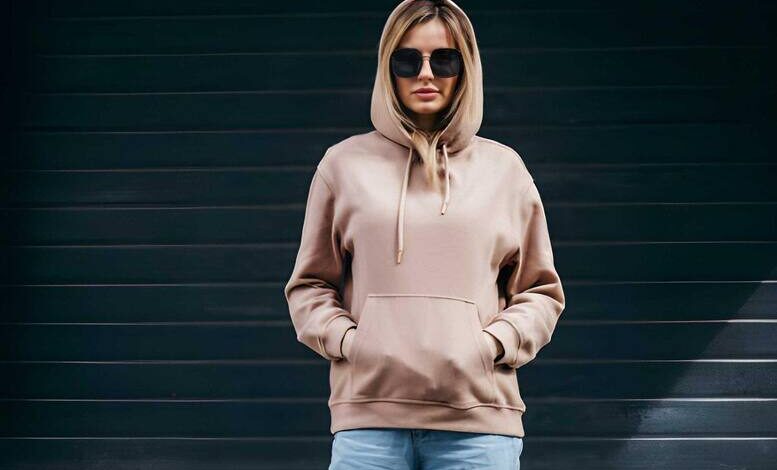
Plenty of modern dating happens in venues that don’t reward traditional menswear. Wine bars, casual restaurants, gallery openings, intimate gigs, cocktail lounges with no dress code. The trap is either overdressing into business-casual territory or underdressing into pure streetwear that reads as careless. The formula splits the difference through deliberate quiet luxury. Start with a heavyweight pullover hoodie in cream, off-white, or washed brown colors that read warmer and more inviting than aggressive black or charcoal. Layer the hoodie over a plain tee in a complementary tone. Add wool trousers in charcoal or dark grey, or alternatively raw indigo denim if the venue leans truly casual. Finish with leather chukka boots or clean leather low-top sneakers depending on the season. The whole formula works because it communicates two specific signals simultaneously. The hoodie says “I’m comfortable being myself and not performing.” The wool trousers and leather footwear say “I noticed this date matters and made an effort.” That combination reads as confident-but-considered, which is the exact register most modern dating situations reward. One specific styling detail elevates this entire formula from good to genuinely memorable. Add a subtle fragrance not cologne overload, just a clean, light scent applied at the wrists and behind the ears. Scent affects how clothing is perceived in close-proximity situations like dinner conversations and bar interactions. The clothes do the visual work, but scent completes the impression on a different sensory channel entirely. Honestly, I’ve watched this exact formula save first dates that started awkwardly because the wearer’s overall presence registered as deliberate and self-aware, which buys significant goodwill in social situations.
How to Build the Wardrobe That Powers These Formulas
You’ve probably noticed the same pieces keep appearing across multiple formulas in this article. That’s not lazy writing that’s how real wardrobes actually work. A small number of well-chosen items combine into many different outfits through layering, swapping, and styling decisions. So building toward these formulas requires fewer pieces than most style guides suggest. The core inventory looks like this. Three heavyweight pullover hoodies in different colors one black or charcoal, one cream or off-white, one earth tone like olive or washed brown. Two heavyweight zip-ups in similar color logic. Four plain heavyweight tees in cream, white, black, and one accent color of your choice. One matching tracksuit set in a neutral. Two pairs of wool trousers in charcoal and navy. One pair of straight-leg dark indigo denim. One pair of raw or washed lighter denim. Two pairs of leather low-top sneakers, one white-ish and one tonal. One pair of leather chukka boots. One unstructured wool overcoat for winter, one lightweight packable jacket for travel. That’s roughly 20 pieces total, which handles every formula in this article plus countless other combinations. Build this inventory slowly across maybe 18 to 24 months, prioritizing the pieces you’ll wear most frequently. The hoodies and tees get worn weekly, so they earn priority spend. The chukka boots and overcoat get worn less often, so they can wait. One specific limitation worth mentioning honestly this approach requires patience and budget discipline most people find genuinely difficult. If cash flow makes the timeline shorter than two years, focus only on the most-worn pieces and let the rest fill in over time naturally.
Final Words
Outfit formulas aren’t about following rules rigidly. They’re about reducing the decision-making burden of getting dressed so you can focus your mental energy on the things that actually matter in your day. Pick two or three formulas from this article that fit your real life, build the wardrobe to execute them properly, and the rest takes care of itself within months. You’ll find yourself getting compliments from people who can’t quite articulate what changed about your style. The truth is nothing dramatic changed you just stopped overthinking individual purchases and started thinking in combinations instead. That mental shift is the entire game. The men with reputations for “always looking good” have usually figured this out years ago and never tell anyone, partly because it’s hard to articulate and partly because the secret is genuinely boring once you see it. Copy the formulas, build the inventory, and let the system do the work.
FAQs
Q1: Do I need to own every piece mentioned to make these formulas work? No, the formulas are templates. Start with whatever pieces you already own that fit the template positions, identify the biggest gaps, and fill those first. Most guys can execute at least two formulas immediately with existing wardrobes.
Q2: Which formula should I master first if I’m new to deliberate dressing? The Tuesday morning coffee run formula. It’s the lowest-stakes outfit you wear most frequently, so practicing on this one builds confidence without high social pressure. Once it’s natural, everything else gets easier.
Q3: Can these formulas work for guys outside their 20s and 30s? Yes, with minor adjustments. Guys in their 40s and 50s should lean slightly more toward wool trousers over denim, leather over canvas, and tonal layering over high-contrast combinations. The underlying logic stays identical.
Q4: What’s the biggest mistake guys make when first trying these formulas? Buying flashy statement pieces before nailing the foundation items. A great overshirt over a cheap tee looks worse than a plain solid look with quality basics. Start boring and earn your way to interesting.
Q5: How do I adapt these formulas for warmer climates? Swap the hoodies for unstructured camp-collar shirts or heavyweight short-sleeve overshirts. Replace wool trousers with linen or lightweight cotton equivalents. Keep the sneakers and color discipline identical. The structure holds; the materials shift.
Read More: roanoke wedding photographer