Streetwear Showdown: How Today’s Top Tees, Tracksuits, and Statement Drops Stack Up

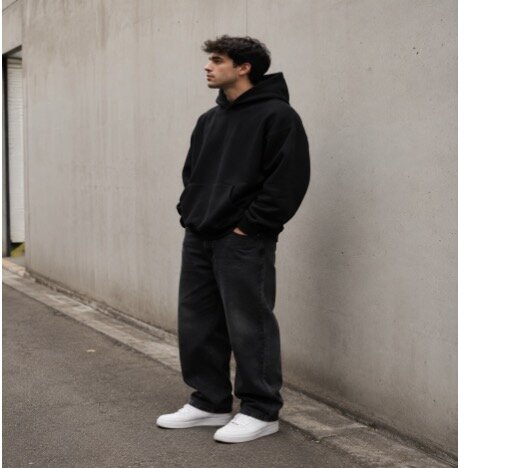
Why the Stussy T Shirt Still Sets the Bar for Streetwear
Streetwear has dozens of decent brands, but the Stussy T Shirt keeps showing up in everyone’s rotation for a reason. First, the cotton actually has weight to it somewhere between 200 and 220 GSM on the classic basic tees, which is heavier than most fast-fashion brands and lighter than a true heavyweight gym tee. Because of that, the shirt holds its shape after a wash instead of warping at the shoulders. I’ve owned a stock Stussy basic tee for nearly four years, and the side seams are still straight. Furthermore, the printing is done with a thicker plastisol ink that sits slightly raised on the fabric you can feel it under your thumb. That tells you it’ll survive the dryer. Meanwhile, plenty of newer streetwear labels print using cheap water-based inks that flake off by month three. Honestly, my one gripe with Stussy is the pricing creep on graphic drops; a basic tee at $52 feels right, but some of the limited graphics hit $90 and that’s harder to justify unless the design genuinely speaks to you. Still, when you compare cost per wear over five years, the basic tees absolutely earn their spot. They’re the kind of piece you reach for on autopilot, which is exactly what a wardrobe staple is supposed to do for you in the first place.
The History Behind a Brand That Refuses to Age
Shawn Stussy started scrawling his signature on surfboards in Laguna Beach back in 1980, and he sold those boards out of the back of his car before the brand became a brand at all. Soon after, he started screening that same signature onto plain tees to give to friends. Then, almost by accident, the tees became more popular than the boards. By the mid-1980s, Stussy had formed the original International Stussy Tribe a loose collective of DJs, designers, and shop owners scattered across New York, London, Tokyo, and Paris and that network basically wrote the playbook for modern streetwear marketing decades before anyone called it that. What’s interesting is how little the core product has changed. The fits update slowly. The graphics rotate. However, the basic recipe heavy cotton, simple silhouette, hand-drawn logo has barely moved in 40 years. Because of that consistency, a Stussy tee from 1992 still looks correct next to one bought yesterday. That kind of design discipline is rare in fashion, where most brands chase whatever shape is trending that season. Meanwhile, you can spot a Stussy piece from across a room without seeing the label, and that visual recognition is hard-earned brand equity that newer labels are still trying to manufacture.
How to Read a Streetwear Tee Before You Buy It
Picking the right tee online is harder than picking one in store, mostly because you can’t feel the fabric through a screen. So, here’s the checklist I run through every time, and it works across pretty much any brand:
- Check the GSM if it’s listed.Anything under 180 GSM is going to feel thin and will probably warp. Aim for 200 GSM and up for a real streetwear weight.
- Look at the neck ribbing in the product photos.If the ribbing looks flat or stretched in the model shot, it’ll be worse in person after two washes.
- Read the fit description carefully.“Regular fit” means different things at different brands at Stussy it’s closer to a true straight cut, at many newer labels “regular” actually runs slightly oversized.
- Zoom in on the print.Plastisol prints have a slight sheen and raised feel. Water-based prints look matte and flat. Neither is wrong, but plastisol lasts longer.
- Check the seam construction.Double-stitched side seams and a taped neck seam mean someone cared during sewing.
- Read three reviews from people in your size range.Generic five-star reviews are useless; the ones that mention shrinkage after washing are gold.
- Look at the return window.Brands confident in their product offer 30 days minimum.
That whole process takes about four minutes per product, and it’s saved me from a lot of disappointing orders over the years.
When Luxury Streetwear Earns Its Premium Price Tag
Premium streetwear is a separate conversation from heritage streetwear, and the gap between the two is mostly material cost and finishing detail. Luxury labels like Amiri sit at a different price point usually $300 to $600 for a tee and for that money you’re getting genuinely different materials. The cotton is finer, often a Pima or Supima blend that feels softer against your skin from day one. Furthermore, the construction includes details you don’t get at $50, like fully bound necklines, side gussets, and sometimes hand-finished hems. Now, whether that’s worth the premium is personal. Personally, I think one quality luxury tee in a wardrobe is enough it elevates the rest of your basics by association but stocking five of them is just burning money. If you want to see the full range without flying to a Rodeo Drive flagship, amiri is a useful starting point for browsing the cuts, prints, and current colorways available regionally. The bone-print collection, the Pool Cue series, and the MA monogram tees are the most recognizable pieces to look for. One honest caveat: luxury streetwear graphics date faster than plain basics, so I’d skip the loudest graphic and go for the cleaner logo prints if you want longevity. A subtle Amiri tee can stay relevant for years; a screaming all-over print probably won’t survive the next style cycle.
What to Actually Look For in a Streetwear Drop
Newer streetwear brands have flooded the market in the last five years, and most of them won’t survive long enough to be worth your money. Therefore, knowing what separates a serious drop from a flash-in-the-pan label matters more than ever. Here’s what I check before I order from a brand I haven’t worn before:
- Real fabric weights listed on the product pagenot just “premium cotton” with no number behind it.
- Original graphic workthat isn’t lifted from Pinterest or a free vector site.
- Considered naming and design intentpieces with names and themes usually come from a brand that’s thinking past one season.
- Clear policy pagesfor shipping, returns, and refunds without legalese designed to trap you.
- A working contact channelthat responds within 48 hours when you test it.
- Customer photosin reviews so you can see the fit on real bodies, not just the 6-foot model.
- Consistent design languageacross the lookbook rather than a chaotic mix of unrelated aesthetics.
A label like mixed emotions hits most of these markers the rhinestone work is heat-pressed properly, the cotton sits at a real streetwear weight, and the mood-based naming on pieces like Angel, Astronaut, and Ranger suggests someone actually thought about what each design represents rather than slapping graphics together. That kind of intent shows up in the final product when you’re wearing it.
Building a Streetwear Capsule That Actually Works

Most people overbuy streetwear, and then they wear the same three pieces on rotation while everything else sits unused at the back of the closet. The fix is building a small, intentional capsule instead of a sprawling collection. Start with three plain tees in colors you actually wear for me that’s black, white, and a washed olive. Then, add one graphic tee that genuinely matches your aesthetic, not just whatever’s hyped that week. Next, layer in two hoodies: one heavyweight pullover for cold weather and one lighter zip-up for transitional days. After that, pick up two pairs of bottoms that work with everything above typically one black denim and one cargo or sweatpant in a neutral tone. That’s eight pieces that combine into roughly 40 distinct outfits, which is more than enough variety for daily wear. Furthermore, you save real money by avoiding impulse buys, since every new addition has to earn its spot against what you already own. The hands-on lesson I learned the slow way: every piece you add should pair with at least three things already in your closet. If it doesn’t, it’ll sit unworn for months and you’ll resent the purchase. Streetwear isn’t about volume. It’s about a small set of pieces you genuinely want to wear, styled differently depending on the day, the season, and the mood you’re carrying that morning.
The Quiet Details That Separate Good Streetwear from Great
You can spot a well-made tee from across a room, even before you see the print. The collar holds its round shape instead of stretching into an oval. The hem hangs flat rather than curling up. The fabric drapes without clinging awkwardly to your torso, and the side seams sit straight against your body instead of twisting around your waist after a wash. Furthermore, the small finishing touches matter more than people realize reinforced shoulder seams that don’t pop after a year, woven labels that don’t scratch your neck, and ink that stays sharp through repeated washing. One specific observation from years of buying tees: the best way to spot construction quality is to look at the inside of the garment. Turn it inside out before you cut the tags. Clean stitching, no loose threads, and a properly bound neckline tell you the brand cares about details the customer barely sees. Brands that cut corners on the inside almost always cut corners on materials too, even if the outside looks fine in marketing photos. Meanwhile, a properly built tee will still look correct after 50 washes, while a poorly built one starts showing its age after five. That difference compounds over years of wear, and it’s the single biggest reason why heritage brands cost more they’re priced for longevity rather than for a single season of relevance.
Care, Wash, and Storage So Your Pieces Last Longer
Most streetwear failures aren’t the brand’s fault they’re laundry failures. So, here’s the routine that’s kept my favorite tees and hoodies looking right for years. First, wash everything inside out on cold, because hot water is what breaks down both the fibers and the print ink. Then, use a gentle detergent without bleach or brighteners; the cheap stuff strips color faster than you’d think. After that, air dry whenever possible the dryer is the single biggest enemy of cotton longevity, and even a low-heat tumble accelerates shrinkage and pilling significantly over time. If you do need to use a dryer, pull pieces out while they’re still slightly damp and lay them flat to finish drying. Furthermore, store hoodies folded rather than hung, since hangers leave permanent shoulder dimples on heavy cotton over months. Tees can go on hangers without issue because they’re lighter, but a good drawer fold actually keeps the collar shape better. Honest limitation here: this routine won’t save a poorly made garment. If the fabric is thin or the printing is sloppy, no amount of careful washing will rescue it. However, on quality pieces, this care routine extends the life of a $50 tee by years, which makes the upfront cost a much smaller deal in the long run.
Final Words
Streetwear is at its best when it’s worn, not stored or flipped. Furthermore, the brands worth your money are the ones building pieces that actually survive the wash and stay relevant past a single season. Heritage brands like Stussy earn their place through decades of consistency, while luxury labels like Amiri push the materials side, and newer drops like Mixed Emotion show that a small label with real design intent can compete with the giants on quality if not yet on cultural weight. Start with fewer pieces, wear them harder, and let the wardrobe grow slowly. That’s how you build a closet you actually like opening in the morning instead of one full of regrets.
FAQs
Q: What GSM should I look for in a streetwear tee? A: Aim for 200 GSM or higher. Anything lighter feels flimsy, and anything above 260 starts feeling like a sweatshirt, which most people don’t want in a tee.
Q: How do I know if a brand’s “oversized” fit will actually fit me? A: Check the chest measurement in inches on the product page, then compare it to a tee you already own that fits the way you want. Numbers don’t lie brand fit labels often do.
Q: Are luxury streetwear tees worth the price? A: For one or two pieces in a wardrobe, yes. The materials and finishing genuinely justify the cost. Stocking ten of them, however, is mostly about status, not utility.
Q: How long should a quality tee last with regular wear? A: A well-made tee washed correctly should hold its shape and color for three to five years of weekly wear. If yours is fading after six months, the brand is the problem.
Q: Can I dress up streetwear pieces for semi-formal settings? A: Yes, but it takes the right pieces. A plain heavyweight tee under a clean blazer with tailored trousers works for most casual offices and dinners. Avoid graphic-heavy pieces in those settings.
Read More: Exercises like yoga